
Tag: ESL pedagogy
-
 Classroom Practice Educational Technology Instructional Approaches Student Engagement Teaching Methodology
“Digital Natives” and the Myth of Technological Competence
If you teach students who have grown up with smartphones, social media, streaming video, and constant access to the internet, you have probably experienced this situation. You introduce a new digital tool and expect students to figure it out quickly. After all, they are digital natives. They have grown up with technology. Surely they know…
//
-

Beware the Technology-for-Technology Trap: Why Good Teaching Comes Before Good Tools
In the previous article, I discussed the idea of technological affordances, the unique possibilities that digital tools offer for learning. Understanding the affordances of a technology helps us decide when a particular tool genuinely adds value to a lesson. However, recognizing what technology can do is only half of the equation. Equally important is recognizing…
//
-

Learning Management Systems: Convenience, Complexity, and Return on Investment
Why teachers should think carefully before adopting digital platforms In the previous post, I argued that technology is neither inherently good nor inherently bad. The real question is whether we are using digital tools thoughtfully. Learning management systems (LMS) provide a good example of why this matters. Most teachers today work with some form of…
//
-

Technology Is Not the Enemy (But It Is Not Always Your Friend)
Why thoughtful technology use matters more than simply using more technology Technology has become so deeply embedded in education that classrooms now assume its presence by default. The real question is no longer whether digital tools belong in education, but whether we are using them thoughtfully. Over the past twenty years, digital resources have become…
//
-
 Classroom Practice Learning processes Student Engagement Teacher Reflection Teaching Materials Teaching Methodology Teaching Philosophy
The Case Against Dictation: Rethinking Listening Instruction in the Japanese EFL Context
Introduction: A Familiar Classroom, A Persistent Problem In many English language classrooms, particularly in Japan, listening instruction follows a predictable and deeply entrenched pattern. Students are asked to listen to an audio recording—often scripted and pedagogically simplified—and to write down what they hear. When comprehension breaks down, the solution is equally predictable: play the audio…
//
-
 Classroom Practice Curriculum & course design Learning processes Student Engagement Teacher Reflection
What Japanese Students Don’t Learn After 12 Years of Formal Education
Introduction: The Problem We Do Not See After over 15 years teaching university students in Japan, particularly first-year students, I notice something that still surprises me. It is not simply what students do not know. It is what they were never taught how to do. Like numerous teachers, I initially assumed that students entering university…
//
-

Rethinking the teacher’s role and how our approach shapes student learning
What Kind of Teacher Are You? Most teachers spend a lot of time thinking about lesson plans, textbooks, and classroom activities. We worry about pacing, classroom management, and whether our materials are going to work with a particular group of students. What many teachers rarely stop to consider, however, is a much more fundamental question.…
//
-

Beyond the Test: Using Portfolio Assessment to Make Learning Visible
Introduction: If Tests Distort Learning, What Is the Alternative? When assessment is reduced to a single high-stakes event, it shapes behaviour in predictable ways. Teachers feel pressure to design courses around what can be tested efficiently, and students focus on performing well at one moment rather than developing competence across a semester. In these environments,…
//
-
 Assessment in ESL Classroom Practice Curriculum & course design Student Engagement Teacher Reflection Teaching Materials Teaching Philosophy
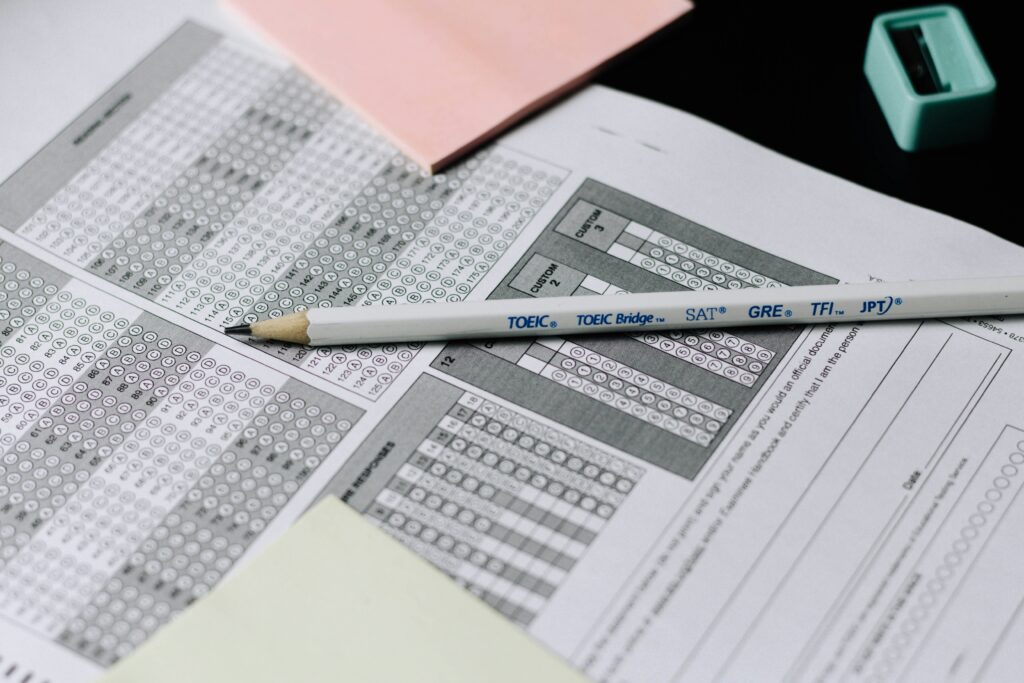
Perceptions of Tests: How Teachers and Students Understand Assessment
Introduction: Why Test Perceptions Matter This post is a little different from most others on this site. Rather than being driven primarily by research, it is based more on observation and experience. That said, the issue it addresses is no less important. How teachers and students perceive tests has a powerful influence on classroom behaviour,…
//
-
 Assessment in ESL Classroom Practice Curriculum & course design Learning processes Student Engagement Teaching Materials
Homework in the ESL Classroom (Part 2): Accountability, Support, and What to Avoid
For a discussion of homework design, input, and preparation, see Part 1 of this series, which focuses on when and how homework supports classroom learning. Introduction Even well-designed homework can fail if students do not complete it or understand its purpose. Concerns about compliance, marking load, and student motivation often lead instructors to reduce homework…
//

Search
Categories
- Academic Integrity (1)
- Assessment in ESL (9)
- Classroom Management (6)
- Classroom Practice (22)
- Curriculum & course design (4)
- Educational Technology (5)
- ESL Pedagogy (2)
- Instructional Approaches (4)
- Introducton (1)
- Learning processes (5)
- Professional Development (1)
- Student Engagement (16)
- Teacher Reflection (9)
- Teaching Materials (5)
- Teaching Methodology (3)
- Teaching Philosophy (8)
- Uncategorised (1)
Recent Posts




Tags
academic integrity Active learning alternative assessment Analogue vs Digital Class Management classroom dynamics classroom evaluation classroom seating Classroom Technology critical thinking Digital Literacy digital natives Digital Tools Educational Technology ESL pedagogy ESL teaching Experiential learning grading practices Input-based instruction Language production Learner Autonomy Professional development project-based learning Reflective teaching SLA (second language acquisition) student centered learning student engagement Student Production Task-based Learning Textbooks