
Tag: Learner Autonomy
-
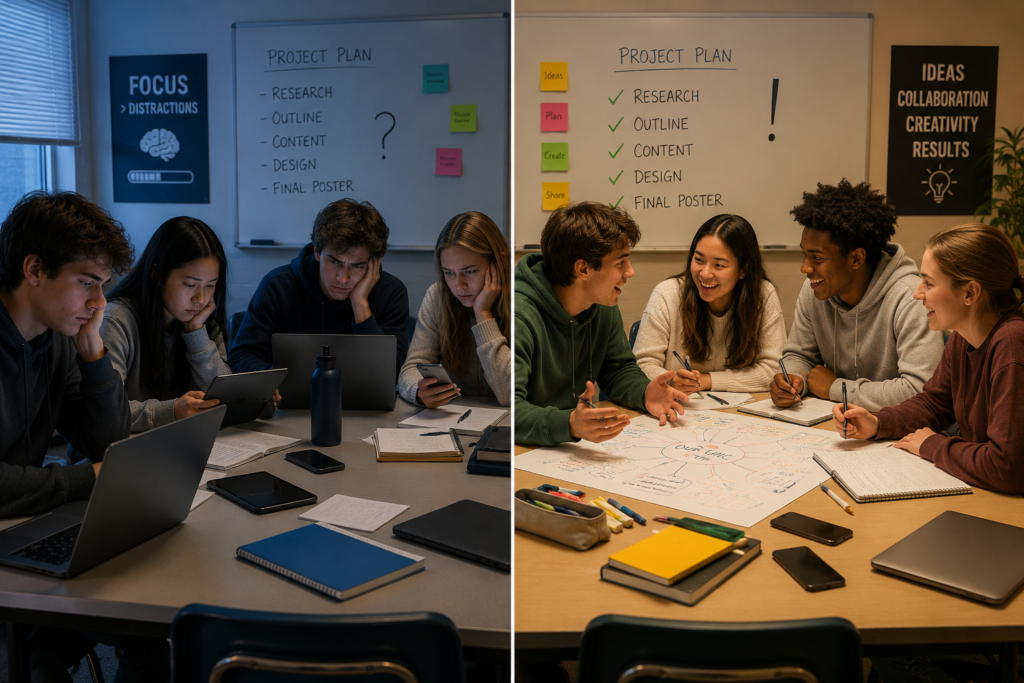
Digital Tools, Analogue Thinking
In this post, I want to explore the relationship between analogue and digital thinking and, more importantly, how we use analogue and digital processes in learning. This is not an argument that one is better than the other. Quite the opposite. I think our students need experience with both, along with an understanding that the…
//
-

Active Learning in ESL — Part 1
Introduction This two-part series continues the discussion from my earlier post “Why Student Production Matters” and explores the broader principles that shape active learning in the ESL classroom. While production focuses on what students create, active learning examines how experience, discovery, and reflection drive that creation. Drawing on the work of Dewey, Bruner, and Kolb,…
//

Search
Categories
- Academic Integrity (1)
- Assessment in ESL (9)
- Classroom Management (6)
- Classroom Practice (22)
- Curriculum & course design (4)
- Educational Technology (5)
- ESL Pedagogy (2)
- Instructional Approaches (4)
- Introducton (1)
- Learning processes (5)
- Professional Development (1)
- Student Engagement (16)
- Teacher Reflection (9)
- Teaching Materials (5)
- Teaching Methodology (3)
- Teaching Philosophy (8)
- Uncategorised (1)
Recent Posts



Tags
academic integrity Active learning alternative assessment Analogue vs Digital Class Management classroom dynamics classroom evaluation classroom seating Classroom Technology critical thinking Digital Literacy digital natives Digital Tools Educational Technology ESL pedagogy ESL teaching Experiential learning grading practices Input-based instruction Language production Learner Autonomy Professional development project-based learning Reflective teaching SLA (second language acquisition) student centered learning student engagement Student Production Task-based Learning Textbooks