
Author: cochrane
-

Rethinking the teacher’s role and how our approach shapes student learning
What Kind of Teacher Are You? Most teachers spend a lot of time thinking about lesson plans, textbooks, and classroom activities. We worry about pacing, classroom management, and whether our materials are going to work with a particular group of students. What many teachers rarely stop to consider, however, is a much more fundamental question.…
//
-

Beyond the Test: Using Portfolio Assessment to Make Learning Visible
Introduction: If Tests Distort Learning, What Is the Alternative? When assessment is reduced to a single high-stakes event, it shapes behaviour in predictable ways. Teachers feel pressure to design courses around what can be tested efficiently, and students focus on performing well at one moment rather than developing competence across a semester. In these environments,…
//
-
 Assessment in ESL Classroom Practice Curriculum & course design Student Engagement Teacher Reflection Teaching Materials Teaching Philosophy
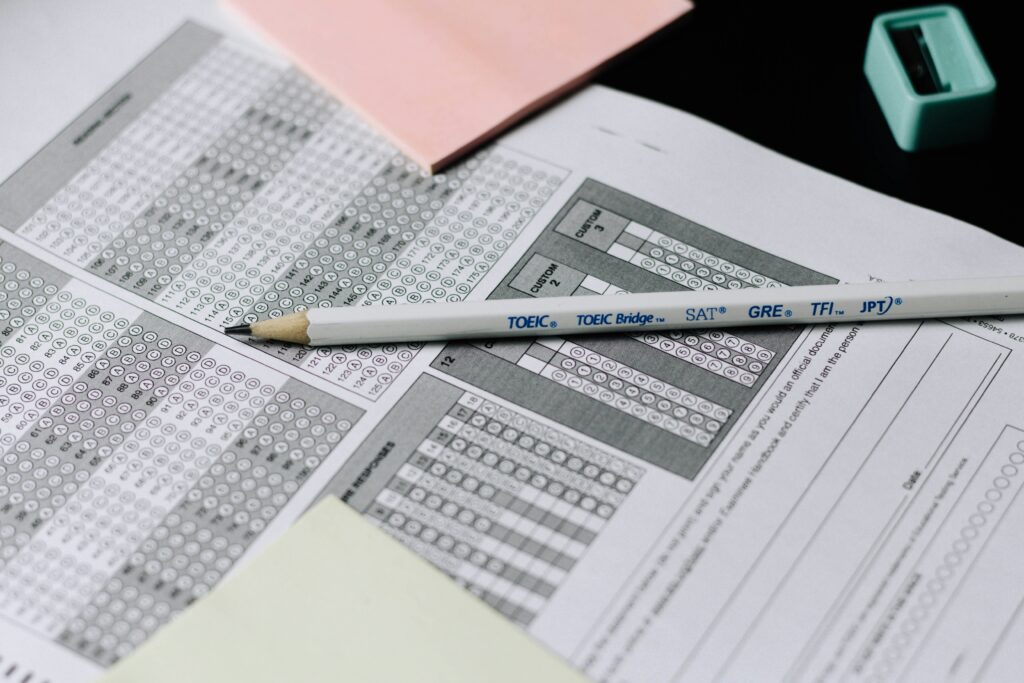
Perceptions of Tests: How Teachers and Students Understand Assessment
Introduction: Why Test Perceptions Matter This post is a little different from most others on this site. Rather than being driven primarily by research, it is based more on observation and experience. That said, the issue it addresses is no less important. How teachers and students perceive tests has a powerful influence on classroom behaviour,…
//
-
 Assessment in ESL Classroom Practice Curriculum & course design Learning processes Student Engagement Teaching Materials
Homework in the ESL Classroom (Part 2): Accountability, Support, and What to Avoid
For a discussion of homework design, input, and preparation, see Part 1 of this series, which focuses on when and how homework supports classroom learning. Introduction Even well-designed homework can fail if students do not complete it or understand its purpose. Concerns about compliance, marking load, and student motivation often lead instructors to reduce homework…
//
-

Homework in the ESL Classroom (Part 1): Purpose, Input, and Preparation
Introduction Love it or hate it, homework, or more broadly, assignments completed outside the classroom, has long been a part of formal education. In many teaching contexts, homework is treated as inevitable rather than intentional. It is assigned simply because it has always been assigned. In ESL classrooms, this often leads to work that students…
//
-

Textbooks in the ESL Classroom Part 2: Limitations, Challenges, and Research-Supported Alternatives
The first post in this series discussed why textbooks remain widely used in ESL classrooms and how they support both teachers and learners. Despite these strengths, textbooks also come with limitations that can affect how students experience language learning. Sometimes, these limitations contribute directly to problems with motivation, engagement, and classroom dynamics. In my experience,…
//
-

Textbooks in the ESL Classroom Part 1: Why We Use Them and What They Offer
It is the time of year when new ESL textbook samples arrive at my door. I flip through them hoping to find something fresh or genuinely engaging but am usually disappointed. Sometimes I do find something interesting, but more often I see familiar patterns: unit themes that feel predictable, grammar-focused readings, cheerful but generic characters,…
//
-

Selecting and Creating Materials in the ESL Classroom
Authentic Input, Teacher-Generated Content, and Student-Generated Output Teachers today have access to an enormous range of materials. Textbooks are only one option. Even the best textbooks rarely address every learner’s needs, which often requires teachers to add supplementary content. The internet offers an unlimited supply of audio, video, images, articles, and interactive resources. This variety…
//
-

The Practical Benefits of Name Cards in the ESL Classroom
Teachers are always searching for tools that improve organization, foster participation, and support student engagement. In this post I will take a more practical approach and talk about one of the most effective tools I have used over the years, which is also one of the simplest: name cards. These small, foldable pieces of paper…
//
-

Active Learning in ESL — Part 2
Introduction This two-part series continues the discussion from my earlier post “Why Student Production Matters” and explores the broader principles that shape active learning in the ESL classroom. While production looks at what students create, active learning focuses on how experience, discovery, and reflection drive that creation. Drawing on the work of Dewey, Bruner, and…
//

Search
Categories
- Academic Integrity (1)
- Assessment in ESL (9)
- Classroom Management (6)
- Classroom Practice (22)
- Curriculum & course design (4)
- Educational Technology (5)
- ESL Pedagogy (2)
- Instructional Approaches (4)
- Introducton (1)
- Learning processes (5)
- Professional Development (1)
- Student Engagement (16)
- Teacher Reflection (9)
- Teaching Materials (5)
- Teaching Methodology (3)
- Teaching Philosophy (8)
- Uncategorised (1)
Recent Posts




Tags
academic integrity Active learning alternative assessment Analogue vs Digital Class Management classroom dynamics classroom evaluation classroom seating Classroom Technology critical thinking Digital Literacy digital natives Digital Tools Educational Technology ESL pedagogy ESL teaching Experiential learning grading practices Input-based instruction Language production Learner Autonomy Professional development project-based learning Reflective teaching SLA (second language acquisition) student centered learning student engagement Student Production Task-based Learning Textbooks