
Author: cochrane
-

Active Learning in ESL — Part 1
Introduction This two-part series continues the discussion from my earlier post “Why Student Production Matters” and explores the broader principles that shape active learning in the ESL classroom. While production focuses on what students create, active learning examines how experience, discovery, and reflection drive that creation. Drawing on the work of Dewey, Bruner, and Kolb,…
//
-

Return on Investment in ESL Instruction: A Re-evaluation
In this post, I want to talk about return on investment (ROI) in the context of English as a Second Language (ESL) instruction. The first thoughts that come to mind may be tangible results like improved test scores, better fluency, or increased vocabulary. However, true ROI in education is not only about the results but…
//
-

Learning by Creating: Why Student Production Matters
In Japanese university classrooms, students often spend far more time listening than creating. Yet across fields such as cognitive psychology, STEM education, and creativity research, evidence shows that learning deepens when students produce rather than simply receive. This post explores why output and creativity matter, what the research says about learning through creation, and how…
//
-

Why Do Students Cheat? Understanding the Roots of Academic Dishonesty
Cheating is a topic that nearly every teacher encounters, eventually. Recently, I attended a presentation on an online writing program, and what stood out to me was how much of the session focused on preventing students from cheating rather than on teaching writing. It reminded me of my experience working on an online learning platform,…
//
-

Exploring Alternative Assessments in the Language Classroom
In my last post, I examined traditional forms of assessment such as multiple-choice questions, fill-in-the-blank items, and true/false tests, and I raised concerns about their limitations. These tools are widely used in ESL classrooms and in proficiency tests like TOEFL, TOEIC, and IELTS. While practical in many ways, they often focus only on recognition and…
//
-

Rethinking Traditional Assessment Tools in the Language Classroom
In this post, I want to reflect on the traditional assessment tools that have become so deeply embedded in English language teaching that they are almost invisible in their familiarity. What I am talking about are items such as multiple-choice questions, true/false statements, matching exercises, and short-answer comprehension tasks. These formats are used so frequently…
//
-
What Are We Really Measuring? A First Look at Assessment in ESL
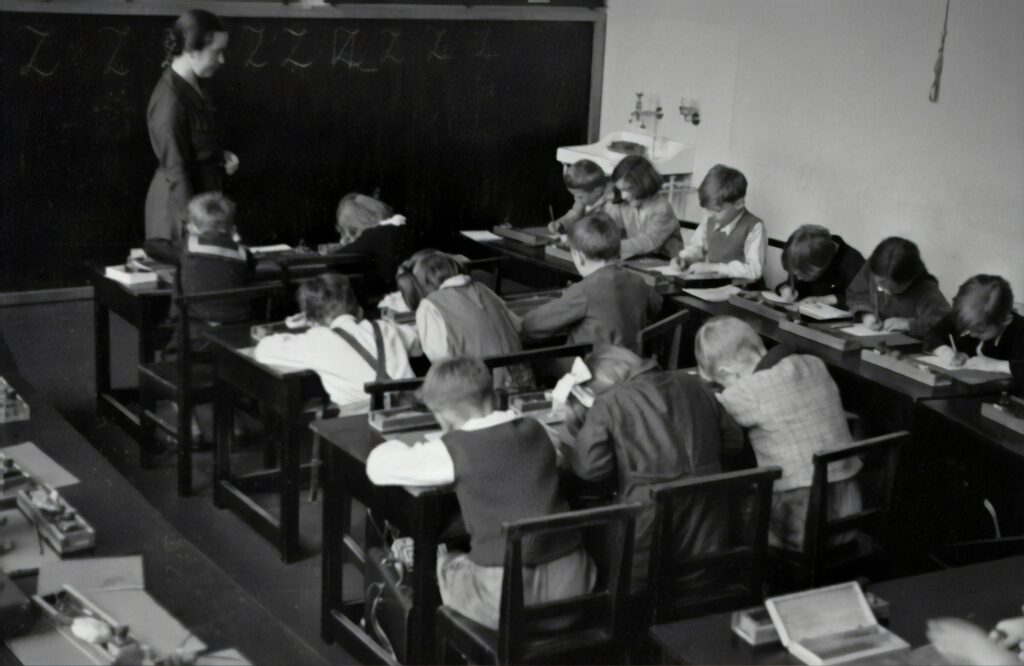
This is the time of year, at least here in Japan, when many teachers are busy finalizing grades and completing end-of-term paperwork. Since assessment is already on your mind, now might be a good time to take a step back and reflect on what assessment actually means, what purposes it serves, and how we might…
//
-

Classroom Management: Assigned Seating vs. Student’s Choice
A Hybrid Approach Continuing with the theme of classroom management, this post focuses on a seating strategy I have developed and refined over the years. It is a hybrid system that offers a middle ground as it is neither assigned seating nor complete student freedom. To visualize it, think of a Tetris-like structure. Students may…
//
-
Classroom Management: Rethinking Seating Arrangements
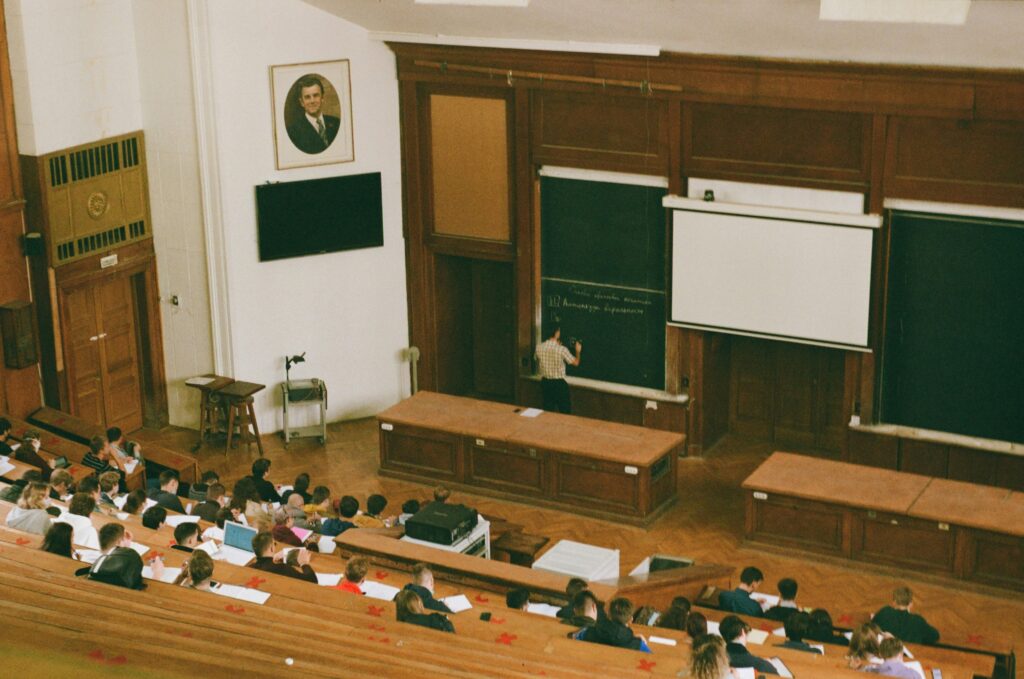
In this post, I would like to discuss an aspect of classroom management that is often overlooked in university settings: seating arrangements. Although it might seem like a small detail, how and where students sit can have a meaningful impact on classroom dynamics, particularly in ESL classes, where interaction and communication are essential. So, here…
//
-
Classroom Management: Start with Structure
Let us talk a little about classroom management. It may sound simple, but it can be surprisingly difficult to get right. There is no universal formula. Classroom management is something each teacher develops over time. That said, one thing remains clear: effective classroom management begins before the class ever does. Go in with a plan,…
//

Search
Categories
- Academic Integrity (1)
- Assessment in ESL (9)
- Classroom Management (6)
- Classroom Practice (22)
- Curriculum & course design (4)
- Educational Technology (5)
- ESL Pedagogy (2)
- Instructional Approaches (4)
- Introducton (1)
- Learning processes (5)
- Professional Development (1)
- Student Engagement (16)
- Teacher Reflection (9)
- Teaching Materials (5)
- Teaching Methodology (3)
- Teaching Philosophy (8)
- Uncategorised (1)
Recent Posts




Tags
academic integrity Active learning alternative assessment Analogue vs Digital Class Management classroom dynamics classroom evaluation classroom seating Classroom Technology critical thinking Digital Literacy digital natives Digital Tools Educational Technology ESL pedagogy ESL teaching Experiential learning grading practices Input-based instruction Language production Learner Autonomy Professional development project-based learning Reflective teaching SLA (second language acquisition) student centered learning student engagement Student Production Task-based Learning Textbooks